Key Takeaways
- An MCL tear affects the ligament on the inner side of the knee, and recovery timelines vary based on injury severity.
- Most mild to moderate MCL tears heal with conservative treatment, including rest, bracing, and physical therapy.
- Recovery occurs in stages, each with specific goals for healing, strength, and mobility.
- Physical therapy plays a central role in restoring knee stability and preventing reinjury.
- Dr. Christopher Swanson provides expert MCL tear treatment and recovery care, incorporating advanced orthopedic technologies supported by Enovis when appropriate. Schedule an appointment for personalized guidance through every stage of recovery.
Understanding MCL Tears and the Healing Process
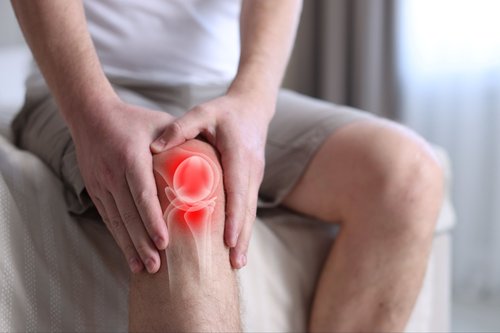
The medial collateral ligament (MCL) stabilizes the inner portion of the knee and prevents excessive inward movement. An MCL tear occurs when the ligament is overstretched or damaged, commonly due to sports injuries, falls, or sudden force applied to the knee.
Because the MCL has a good blood supply compared to other knee ligaments, many tears heal without surgery. However, proper management and adherence to a structured recovery plan are essential for optimal outcomes.
Typical MCL Tear Recovery Time
MCL tear recovery time depends largely on the severity of the injury:
| Injury Severity | Typical Recovery Time | Common Treatment Approach |
|---|---|---|
| Grade 1 (Mild) | 2–4 weeks | Rest, activity modification, physical therapy |
| Grade 2 (Moderate) | 6–8 weeks | Bracing, physical therapy, gradual return to activity |
| Grade 3 (Severe) | 3+ months | Extended rehab, possible surgical evaluation |
These timelines are general estimates. Individual recovery may vary based on activity level, adherence to therapy, and whether other knee injuries are present.
What to Expect During Each Stage of Recovery
Early Stage: Pain and Swelling Management
During the initial phase, the primary goals are to reduce pain and swelling while protecting the healing ligament. This stage often includes:
- Rest and avoidance of activities that stress the knee
- Use of a brace to limit side-to-side motion
- Ice and compression as recommended
- Gentle range-of-motion exercises
This phase lays the foundation for successful healing.
Middle Stage: Regaining Motion and Strength
As pain and swelling improve, rehabilitation focuses on restoring movement and strength. Physical therapy becomes increasingly important during this phase, helping to:
- Improve knee flexibility
- Strengthen the quadriceps and hamstrings
- Enhance balance and coordination
Progress is gradual to ensure the ligament heals without excessive strain.
Later Stage: Functional Recovery and Return to Activity
In the final stage, the focus shifts to functional strength and safe return to daily activities or sports. This stage may include:
- Sport- or activity-specific exercises
- Advanced strengthening and stability training
- Gradual reintroduction of higher-impact movements
Clearance for full activity depends on strength, stability, and symptom resolution.
The Role of Physical Therapy in MCL Tear Recovery
Physical therapy is a cornerstone of MCL tear treatment. A guided rehabilitation program helps:
- Restore proper knee mechanics
- Prevent stiffness and muscle weakness
- Reduce the risk of reinjury
- Support confidence in knee movement
Skipping or rushing therapy increases the risk of lingering instability or future knee problems.
Staying Positive and Motivated During Rehab
Recovery can feel slow, especially when progress is gradual. Helpful strategies for staying motivated include:
- Setting short-term recovery goals
- Tracking improvements in strength and mobility
- Communicating openly with your care team
- Remembering that gradual progress protects long-term knee health
Consistency and patience are key to a successful recovery.
MCL Tear Treatment Options That Support Healing
Most MCL tears respond well to conservative treatment, which may include:
- Activity modification and rest
- Bracing for added knee support
- Physical therapy focused on strength and stability
For severe or complex tears, surgical evaluation may be necessary. When surgery is appropriate, advanced orthopedic techniques and technologies supported by Enovis help enhance precision and support improved outcomes while preserving knee function.
When to Consult a Specialist for Ongoing Knee Pain
You should seek specialist evaluation if:
- Pain or swelling persists beyond expected recovery timelines
- The knee feels unstable or gives way
- Progress in physical therapy stalls
- Symptoms interfere with daily activities or sports
Early intervention can prevent minor issues from becoming long-term problems.
Guided Recovery for Stronger, More Stable Knees
Understanding the MCL tear recovery timeline helps set realistic expectations and supports safer healing. With the right combination of rest, rehabilitation, and expert oversight, most patients regain stability and return to their normal activities.
If knee pain, stiffness, or instability is slowing your recovery, schedule an appointment with Dr. Christopher Swanson for expert guidance through every stage of MCL tear treatment. His personalized approach focuses on effective healing, restored movement, and long-term knee health.
Frequently Asked Questions
What is an MCL tear?
An MCL tear is an injury to the medial collateral ligament on the inner side of the knee, often caused by direct impact or sudden stress.
How long does MCL tear recovery usually take?
Recovery time ranges from a few weeks for mild injuries to several months for severe tears.
Is physical therapy necessary for MCL tear recovery?
Yes, physical therapy is essential for restoring strength, stability, and proper knee function.
Can an MCL tear heal without surgery?
Most MCL tears heal with non-surgical treatment, including rest, bracing, and physical therapy.
When should I see an orthopedic specialist near me?
You should seek evaluation if knee pain, swelling, or instability persists or worsens during recovery.